ServicesTorque & Cleans
Torque & Cleans for Electrical Panels in Cleburne
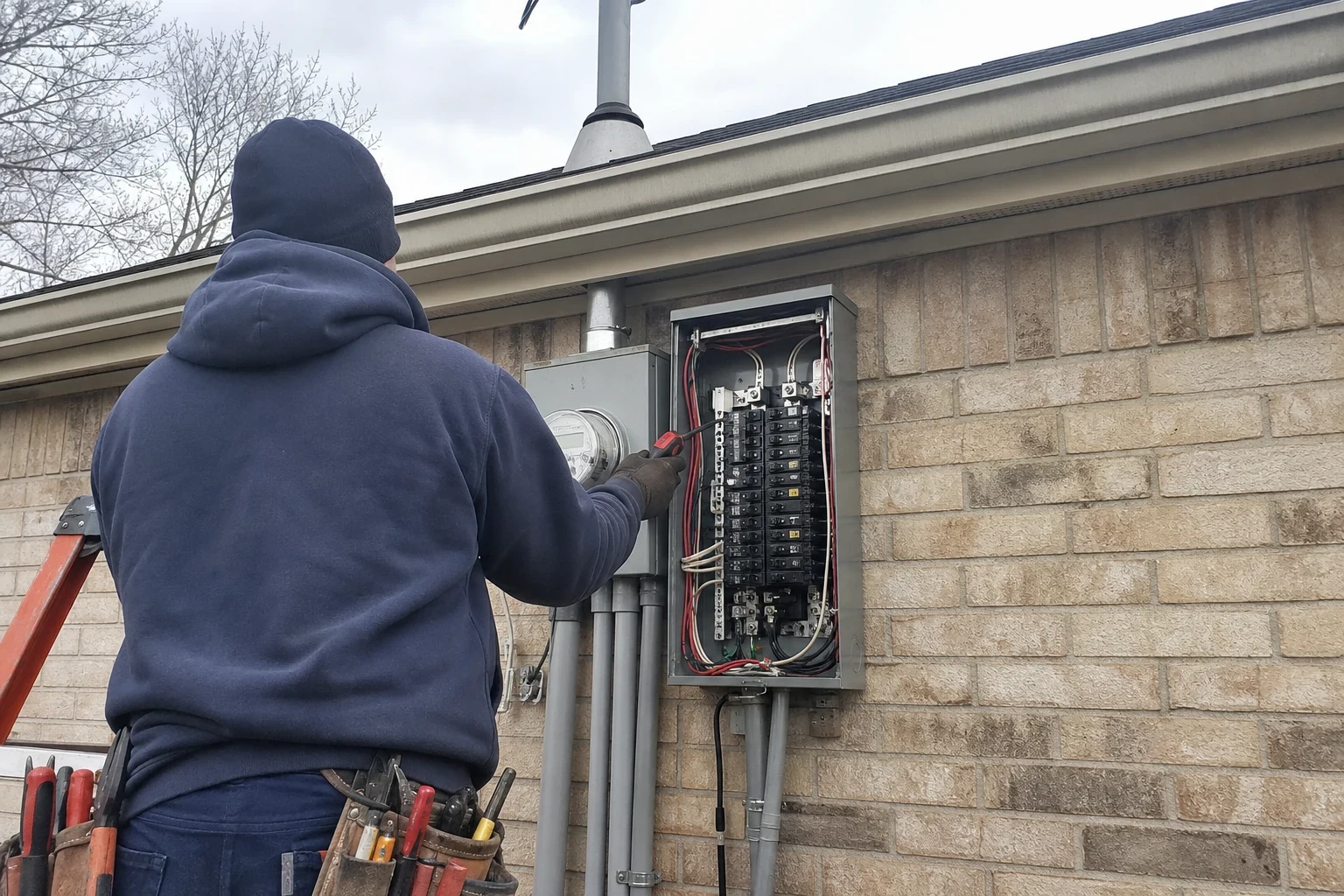
A loose lug in your panel gives no warning at first. It warms, oxidizes and loosens a little more with every load cycle. On a torque and clean visit we shut the panel down, clear out debris, check each termination for heat damage and set it to the manufacturer's torque value.
What a torque and clean actually fixes
Every screw terminal in your panel clamps a conductor against a metal lug. When that clamp is a little loose, the contact area shrinks, resistance goes up and the joint heats. Heat drives oxidation, oxidation adds more resistance, and the joint gets hotter. Aluminum conductors make this worse because the metal slowly creeps away from the screw under pressure and expands and contracts with every heat cycle.
A torque and clean breaks that cycle before it reaches the arcing stage. We remove the dust, insect nests and debris that hold moisture against the bus, then check main lugs, neutral and ground bars, and breaker terminals with a calibrated torque tool. Where the manufacturer prints a torque value on the label or breaker, that is the number we use, not a feel for tight.
We also don't crank down on every screw just to say we did. Over-torquing can crush strands, crack a lug or strip a breaker terminal. We verify each connection, correct the ones that are off and tell you plainly about any that show damage worth repairing.
What we check and clean on the visit
Main lugs and service conductors
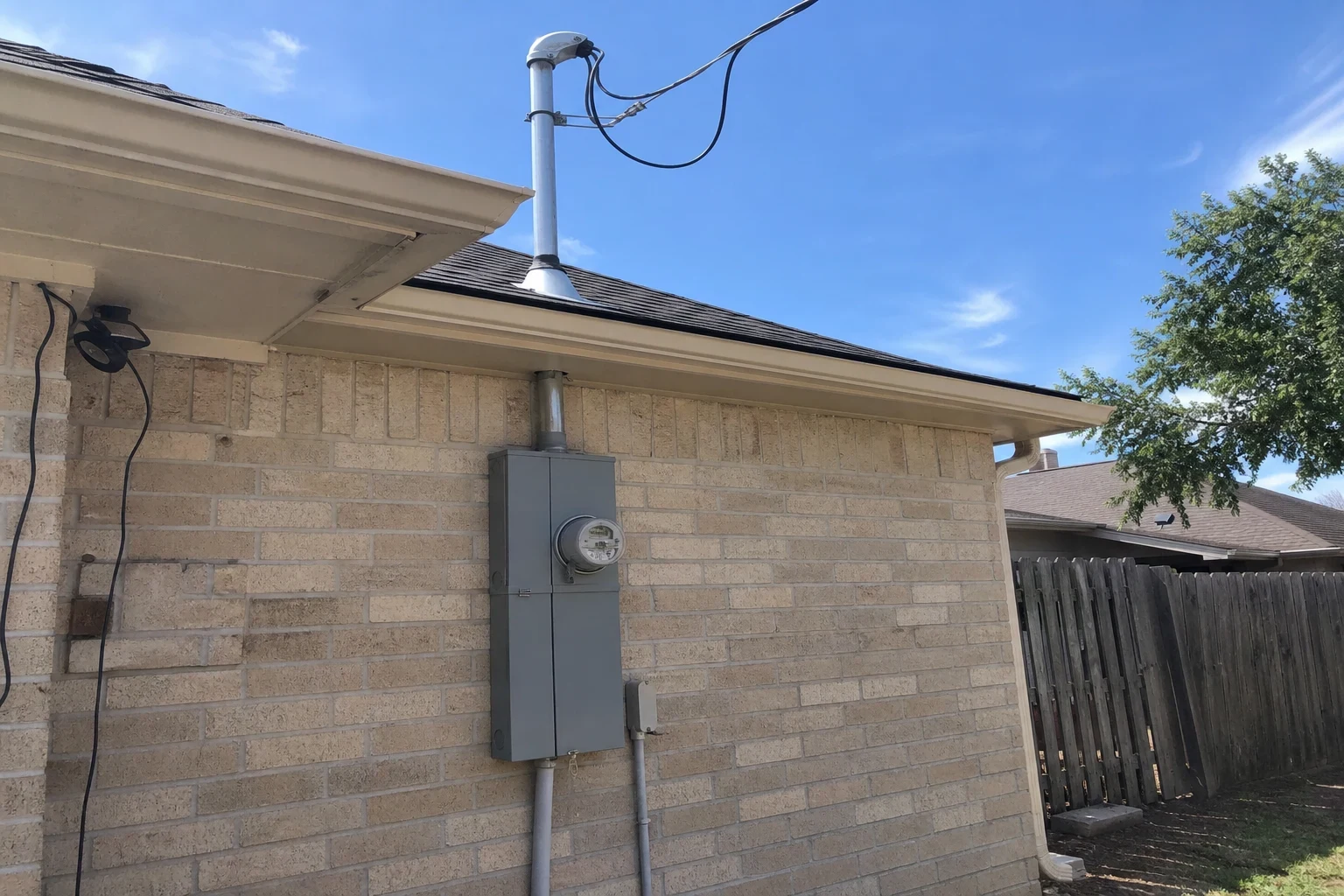
We inspect the main lugs for discoloration, pitting and signs that aluminum conductors have crept. Where those connections need work, we coordinate with the utility so the line side can be safely de-energized.
Breaker terminals
Each breaker's load terminal is checked against its labeled torque value. We look at the wire insulation right behind the screw, where heat damage usually shows first as brittleness or browning.
Neutral and ground bar screws
A neutral that isn't clamped tight can make lights flicker and push one leg of your 240-volt service high while the other sags. We bring every screw on both bars to spec and watch for two neutrals sharing one terminal, a frequent source of these problems.
Cleaning the enclosure
We remove dust, mud dauber nests, rodent debris and surface corrosion with brushes and a vacuum, never compressed air blown into the bus. A clean enclosure sheds heat better and gives moisture less to cling to.
Antioxidant on aluminum
Where aluminum conductors are cleaned and re-terminated, we apply antioxidant compound to the stripped conductor so oxide doesn't rebuild at the joint.
Written findings
You get a short written summary and photos of anything we found: scorched insulation, a breaker that won't hold torque, corrosion on the bus. Then you decide what, if anything, comes next.
When your panel needs its connections checked
- Warm cover or one hot breaker
- Run the back of your hand over the dead front. If the cover feels warm, or a single breaker runs hotter than the ones beside it, a connection behind it is likely carrying extra resistance.
- Lights dim when the AC kicks on
- Some dimming is normal on startup. Deep or lingering dips, or lights that flicker across several rooms, often trace back to a loose main or neutral connection.
- A faint buzz or burnt smell
- Buzzing from the panel or a smell like hot plastic means current is crossing a poor joint. If that breaker is easy to reach, switch it off and leave it off until someone has inspected the connection.
- Outdoor panel with gaps or rust
- Exterior panels and meter-main combinations take in dust, insects and humidity. Rust streaks or nests inside the door are a good reason to open it up.
- Aluminum service wire, untouched for years
- If your service conductors are aluminum and nobody has checked the lugs since the panel went in, those terminations are worth verifying.
How the visit runs
- 1
Look before we touch
With the cover off and power still on, we note visible heat marks, corrosion and how the panel is loaded. This tells us where to look hardest once it's off.
- 2
Shut down and verify dead
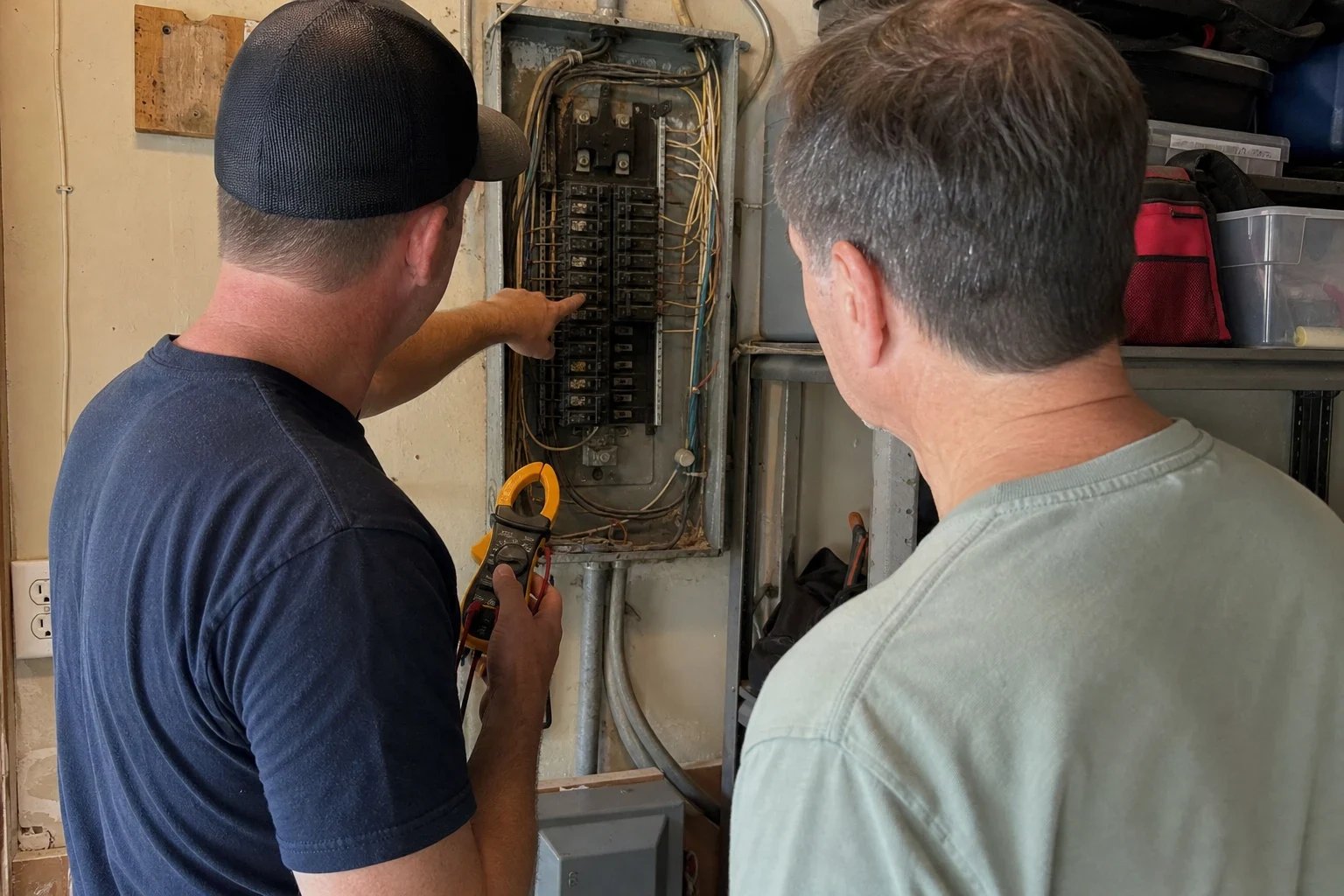
We turn off the main and test with a meter to confirm the bus is de-energized. Plan on your power being off for part of the visit; we tell you how long before we start.
- 3
Clean, inspect, torque
We clean the enclosure, then work terminal by terminal with a calibrated torque tool, comparing each to the manufacturer's value and marking what we've verified.
- 4
Restore and test under load
We re-energize, check voltage at the panel and confirm the circuits come back normally. Then we walk you through the photos and notes.
What sets the price of your panel service
Time spent at the panel drives the bulk of the price, and that time depends on what we find once the cover comes off. When we know your panel type and setup, we give you a quote over the phone. Anything beyond cleaning and verifying torque gets discussed with you before we start on it.
- How many enclosures
- Your main panel alone is a shorter job. Add a subpanel in the garage or out at a detached shop and there's a second set of lugs and bars to clean and verify.
- Circuit count
- A full panel with tandem breakers has more terminations to check than a half-loaded one.
- Condition inside
- Heavy corrosion, nests or caked dust add cleaning time. Damaged conductors or a breaker that won't hold torque become a repair we price separately.
- Utility coordination
- If the main lugs need attention on the line side, the visit has to be scheduled around a utility disconnect, which affects timing.
Common questions about panel torque checks
- Is there a set schedule for rechecking panel connections?
- No single interval fits every home. A panel fed by aluminum service conductors, mounted outdoors or carrying heavy loads deserves a closer eye than a newer indoor panel. After the first visit we can tell you how yours looks and when a recheck makes sense.
- Can't I just tighten the screws myself?
- We don't recommend it. The main lugs can stay live even with the main breaker off, and a screw tightened by feel is often too loose or too tight. Over-tightening can damage a lug or breaker as easily as under-tightening leaves it to heat.
- How long will my power be off?
- The main stays off only while we clean the enclosure and work through the terminals, so on one panel it's a portion of the visit rather than the whole thing. Before we flip the main, we give you a time estimate so you can plan for the refrigerator, any medical equipment and anyone on a work call.
- What if you find a damaged breaker or burnt wire?
- We show you the photos and explain what we found. Small fixes can sometimes be handled on the spot with your approval. Bigger problems are covered under our Electrical Repair or Panel Upgrades work, priced separately before anything is done.
- Is this the same as surge protection?
- No. A torque and clean fixes the connections inside the panel. Surge Protection adds a device that limits voltage spikes. Many homeowners have both done on the same visit since the panel is already open.
Get your panel connections checked before they heat up
Tell us what kind of panel you have and where it's mounted. We'll set a time, explain how long the power will be off and what we'll check.