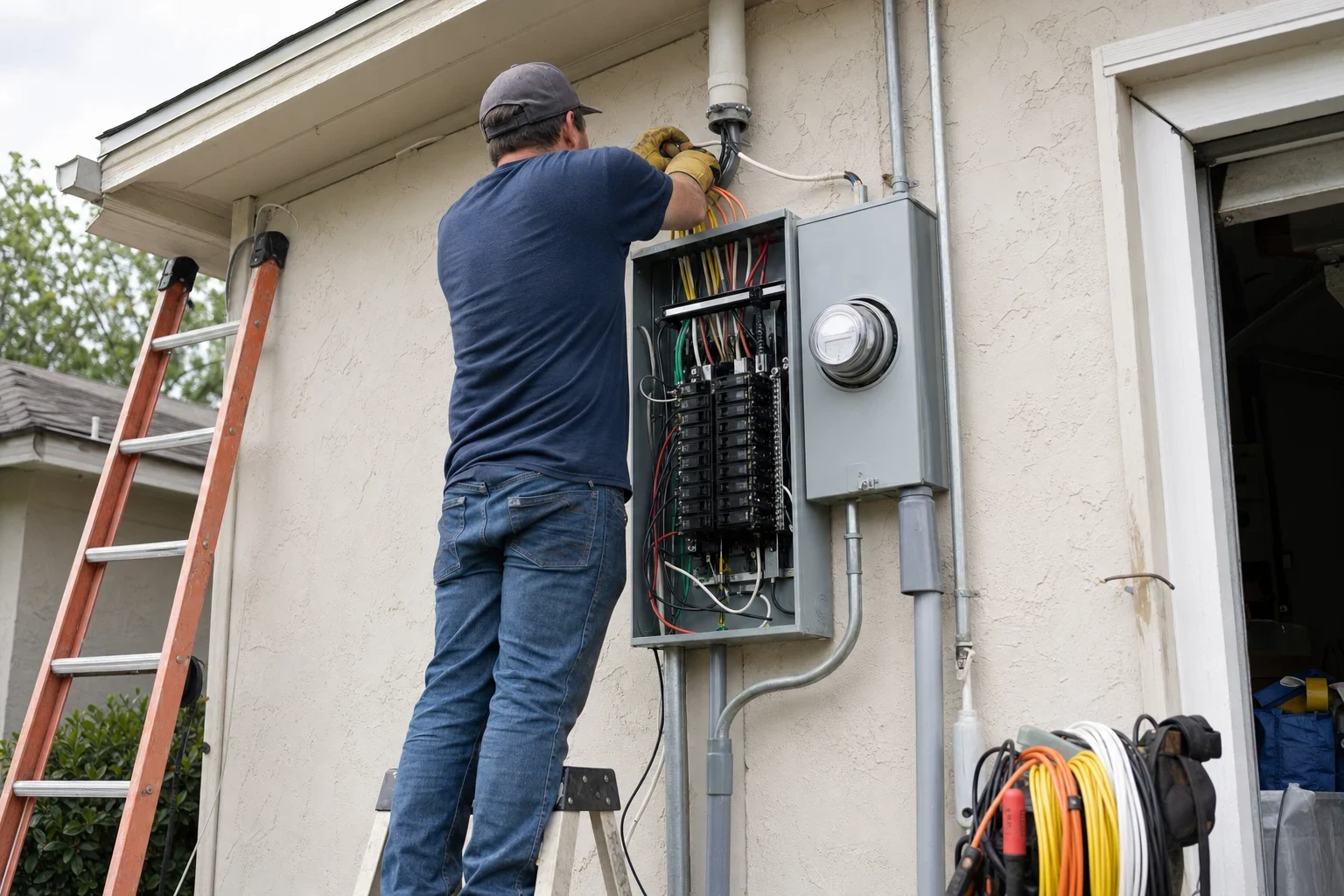
Cleburne Electrical Work Where Every Connection Is Made Right
We handle panel upgrades, electrical repair, lighting, EV chargers, generators and whole-home rewiring for homeowners in Cleburne, Burleson and Joshua. Most electrical failures start at a single loose lug or a pushed-in outlet wire, so we torque, strip and seat every connection the way the manufacturer specifies.
- Licensed and insured electricians
- Every lug torqued to spec
- 5 years in business
- NABCEP certified
Electrical Services for Your Home
We are licensed and insured electricians, NABCEP certified, with 5 years in business doing residential work. That covers panel upgrades, electrical repair, lighting installation, EV charger installation, whole-home rewiring and remodel and addition wiring. We also install generators and home battery backup systems, service and repair generators, add surge protection, and fix code corrections flagged by an inspector. Our torque and cleans visit tightens and inspects an existing panel before heat and loose connections cause trouble.
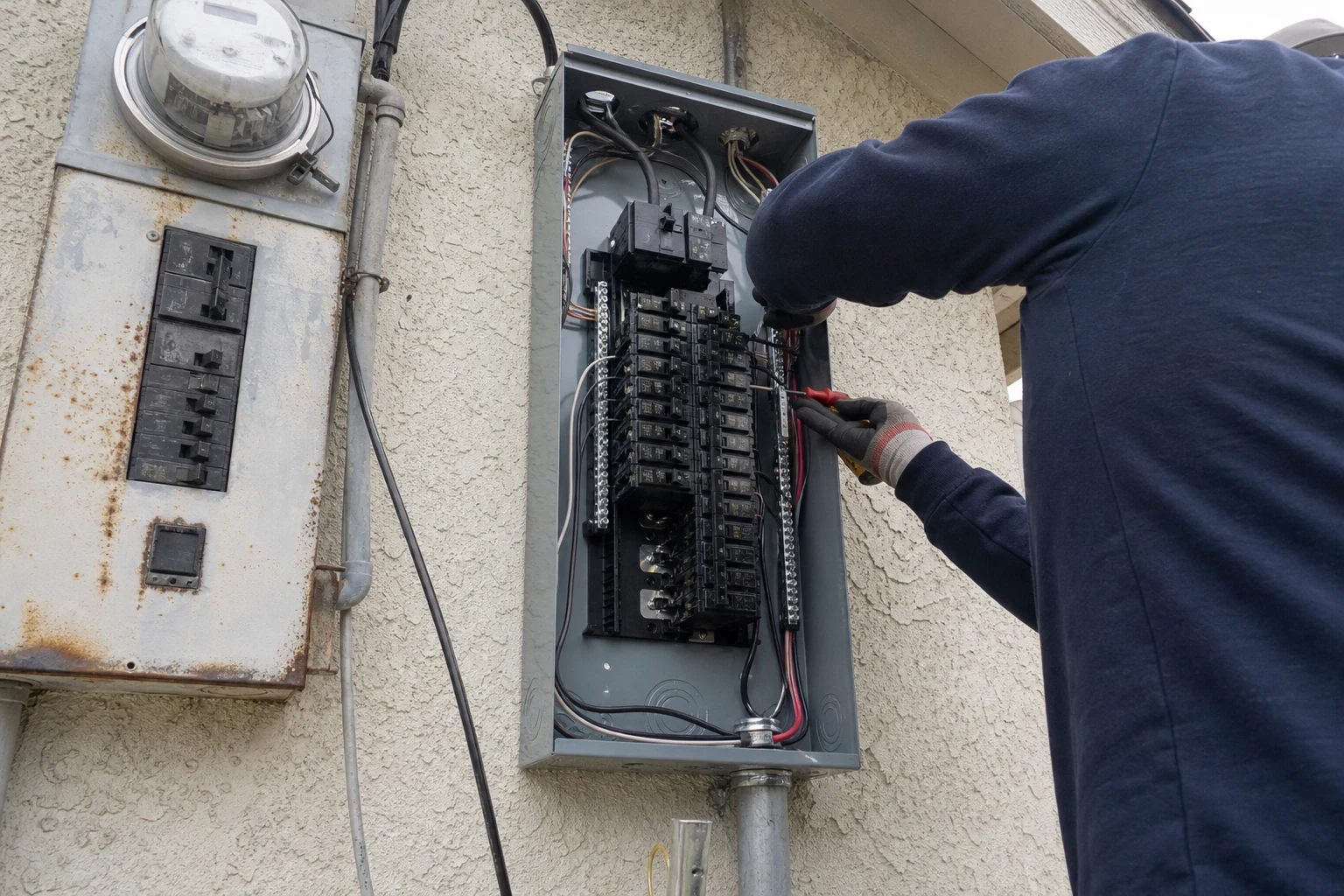
Panel Upgrades
We replace worn, undersized or recalled electrical panels with a properly sized load center, torqued connections and a circuit directory you can actually read.
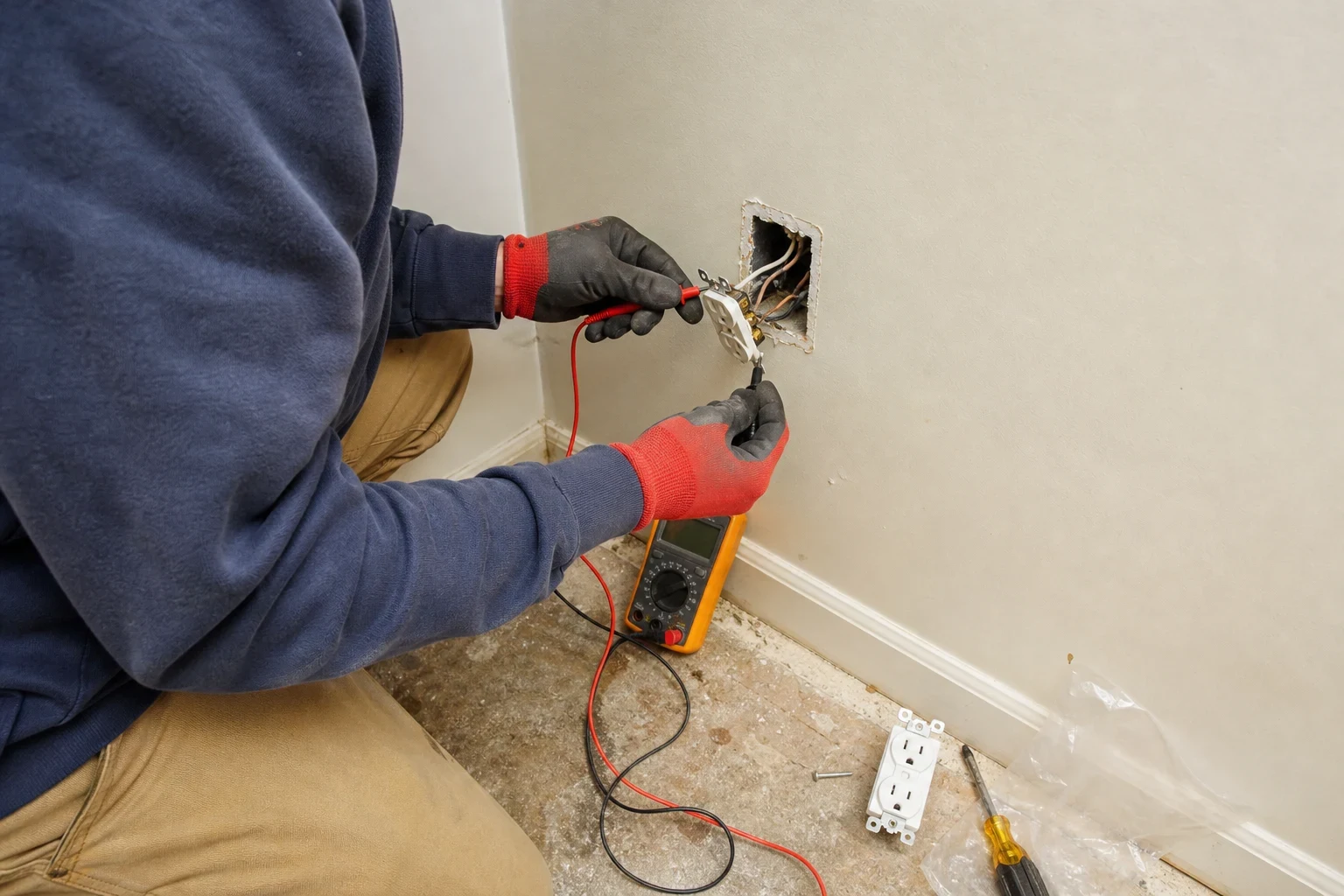
Electrical Repair
Dead outlets, tripping breakers and flickering lights traced to the loose or burned connection behind them, then rebuilt so it stays tight.
Lighting Installation
Recessed lights, pendants, ceiling fans and outdoor fixtures, mounted on the correct box and wired with splices that stay tight for years.
EV Charger Installation
Level 2 charger circuits sized for continuous load, with torqued connections and a permit pulled as required, so your car charges every night without warm outlets or tripped breakers.
Whole-Home Rewiring
We replace worn, ungrounded or aluminum branch wiring with new copper circuits, each splice and terminal made to last, and patch the openings we cut.
Generator Installation
Standby and portable generator hookups with a load calculation, a properly sized transfer switch, a level pad and permitted, inspected wiring.
Generator Service & Repair
Maintenance and repair for home standby generators and transfer switches, from battery and oil service to tracing no-start faults and controller codes.
Home Battery Backup
Battery storage sized to the circuits you actually need during an outage, with clean terminations, proper clearances and a tidy, labeled install.
Remodel & Addition Wiring
New circuits, boxes and devices for kitchens, baths and additions, sized from a load check and roughed in neatly before the drywall goes up.
Code Corrections
We correct the electrical items on an inspection report or failed permit, from double-tapped breakers to missing GFCI protection, and document each fix.
Surge Protection
A whole-home surge device at your panel, wired with short leads and a checked ground, backed by point-of-use protection for sensitive electronics.
Torque & Cleans
We shut down your panel, clear out dust and debris, check every lug for heat damage and tighten each connection to its labeled torque value.
Where We Work
We serve homeowners in Cleburne and the surrounding area, including Keene, Joshua, Burleson, Alvarado and Godley. We also work in Crowley, Pecan Plantation, DeCordova and The Homesteads. Permits and inspections are handled as required by whichever jurisdiction your home falls under.
- Cleburne
- Keene
- Joshua
- Burleson
- Alvarado
- Godley
- Crowley
- Pecan Plantation
- DeCordova
- The Homesteads
Live just outside these towns? Ask when you phone, and we can confirm right then whether your address is one we cover.
How a Job Runs From the First Call
Most jobs follow the same few steps, whether it is a single circuit or a full panel change.
- 1
Book by phone
Describe the problem, or the circuit, fixture or equipment you have in mind. We'll ask about your panel, roughly when the house was built and where the work sits, then put a service visit on the calendar.
- 2
Look, test and measure
We open the panel, check terminations, test circuits and look at the wire path. If something is failing, we find the cause first, not just the symptom.
- 3
Written scope and price
You get a clear description of the work, the materials and the price. If a permit is needed, we include it and pull it.
- 4
Work day
We protect floors near the work area, shut off only the circuits we need, and keep you informed if power will be down. Connections are torqued, devices are tested and the panel directory is updated before we pack up.
- 5
Inspection and walkthrough
Where an inspection is required, we schedule it and meet the inspector. Then we show you what was done and how to reset or operate anything new.
About Cleburne Electrician
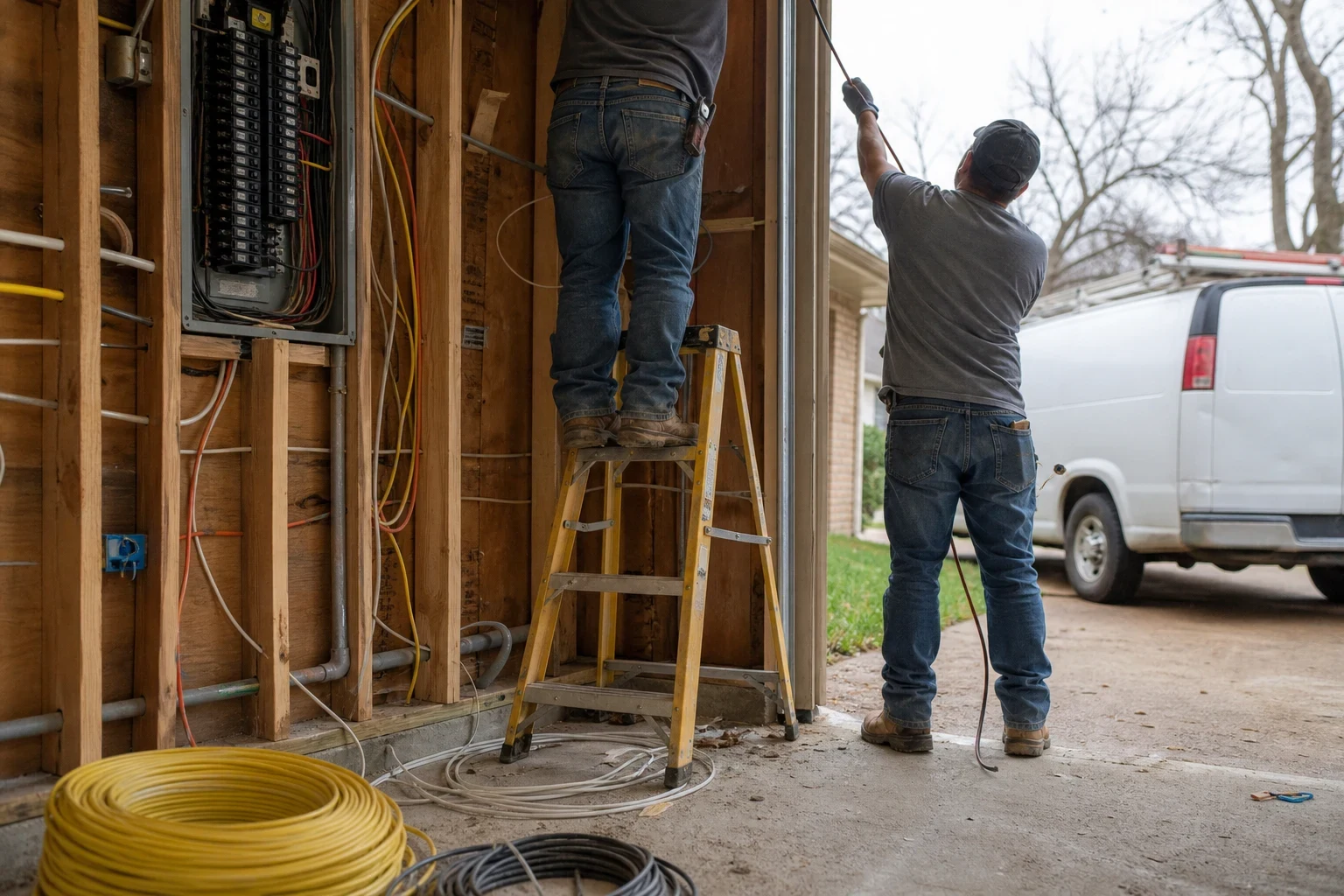
We are a residential electrical company working in homes across Johnson County and the edge of Tarrant County. Our work is panels, circuits, lighting, generators and backup power for the people who live with it every day.
We built the company around a simple idea: the parts of a job you cannot see after the cover goes back on matter most. A neat panel, correct torque, proper wire bending space and clear labels are what keep a circuit running cool for decades. That is how we wire, and it is how we would want our own homes wired.
- In business
- 5 years in business
- Insurance
- Licensed and insured electricians
- Certifications
- NABCEP certified
Why the Small Details Decide How Long It Lasts
An electrical job can pass inspection and still fail early if the terminations are sloppy. Here is what we do on every visit that most people never see.
Torque values, not guesswork
Breaker lugs, neutral bars and main terminals each have a torque rating printed on the equipment. We set them with a calibrated torque screwdriver or wrench. An under-tightened lug heats up under load, and an over-tightened one can crack or deform the conductor.
Screw terminals instead of backstabs
Many outlets have push-in holes on the back that hold a wire with a small spring. Those springs loosen over years of heating and cooling. We wrap conductors clockwise under the screw terminal, which holds far better and is easier to inspect later.
Aluminum handled correctly
Aluminum service and feeder conductors need a wire brush and antioxidant compound before they go into a lug rated for aluminum. Skipping that step leads to oxidation, resistance and heat at the exact point you cannot see.
A panel directory you can actually read
We label every breaker by room and load, not "bedroom" twice and "misc" once. When you need to shut off a circuit later, you or the next electrician can find it in seconds.
Outdoor work sealed against water
Exterior boxes get in-use covers, conduit gets proper fittings and bushings, and every wall penetration is sealed. Water inside a box is one of the most common reasons outdoor GFCIs trip and fail.
Questions Homeowners Ask Us
Something not covered here? (682) 399-7732
Do you pull permits for electrical work?
Yes. Any work that requires a permit gets one, and we book the inspection with whichever office covers your address. Panel upgrades, new circuits, generator and EV charger installs usually fall into that category. The permit cost is listed in your written scope so it does not show up as a surprise.
Why do my breakers keep tripping?
A breaker trips for one of a few reasons: too much load on the circuit, a short, a ground fault, or an arc fault detected by an AFCI breaker. Sometimes the breaker itself is worn or a connection at the panel is loose and overheating. We test the circuit and check the terminations to find which one it is before replacing anything.
How long does a panel change take?
Most panel replacements take one working day, with power off for part of it. Larger jobs that involve a service upgrade or relocation can take longer. Timing also depends on when the utility can disconnect and reconnect and when the inspector is available, and we coordinate both.
Can you put an EV charger in my garage?
Usually, yes. A Level 2 charger needs its own circuit, so the first step is a load calculation to see whether your panel has the spare capacity and an open slot. From there we size the breaker and wire to the charger's rating and place the unit so the cord reaches your parking spot without stretching across the floor. When the panel is already maxed out, we walk you through the two realistic paths: a load management device or a panel upgrade.
Can you come out quickly if something stops working?
We work on scheduled service visits, and we will offer you the earliest opening we have when you call. If you see sparking, smell burning or notice a hot outlet, turn off that breaker and leave it off until we arrive. If there is smoke or fire, call 911 first.
Do you install backup power as well as standard wiring?
Yes. We install standby generators and home battery backup systems, including the transfer switch or interlock that keeps backfeed off the utility lines. We also service and repair existing generators. Pairing backup power with surge protection at the panel is often worth discussing during the same visit.
What warranty comes with your work?
Our work carries a 1-year workmanship warranty. If a connection, device or circuit we installed gives you trouble within that year because of how it was installed, we come back and make it right. Equipment such as chargers, generators and breakers also carries its own manufacturer coverage, which we explain at the walkthrough.
How do you price a job?
We price after seeing the work in person. The service visit lets us check your panel, wire path and existing wiring, then we give you a written scope with the price by task. If something unexpected comes up once walls are open, we stop and talk with you before going further.
What Moves the Price of Electrical Work
Every home is wired a little differently, so we price from what we find on site. These are the factors that change the number most. We explain each one in your written scope before any work starts.
After the service visit, we give you a written scope with the price laid out by task. Nothing is added unless we talk with you first.
- Panel and service capacity
- Adding an EV charger, generator or large appliance may require more amperage than your panel or service can supply. A load calculation tells us whether the existing panel works or an upgrade is needed.
- Access to the wire path
- Running wire through an open attic is quicker than fishing it through finished walls or around a slab foundation. In summer, attic work also takes longer because the heat limits how long anyone can safely stay up there.
- Condition of existing wiring
- Brittle insulation, undersized conductors, missing grounds or earlier amateur work can turn a simple add-on into a partial correction. We show you photos of what we find so you can see why.
- Equipment and materials
- Breaker brand, charger model, generator size, fixture type and conduit versus cable all affect cost. We give you options where they exist and tell you which ones we would choose and why.
- Permits, inspections and the utility
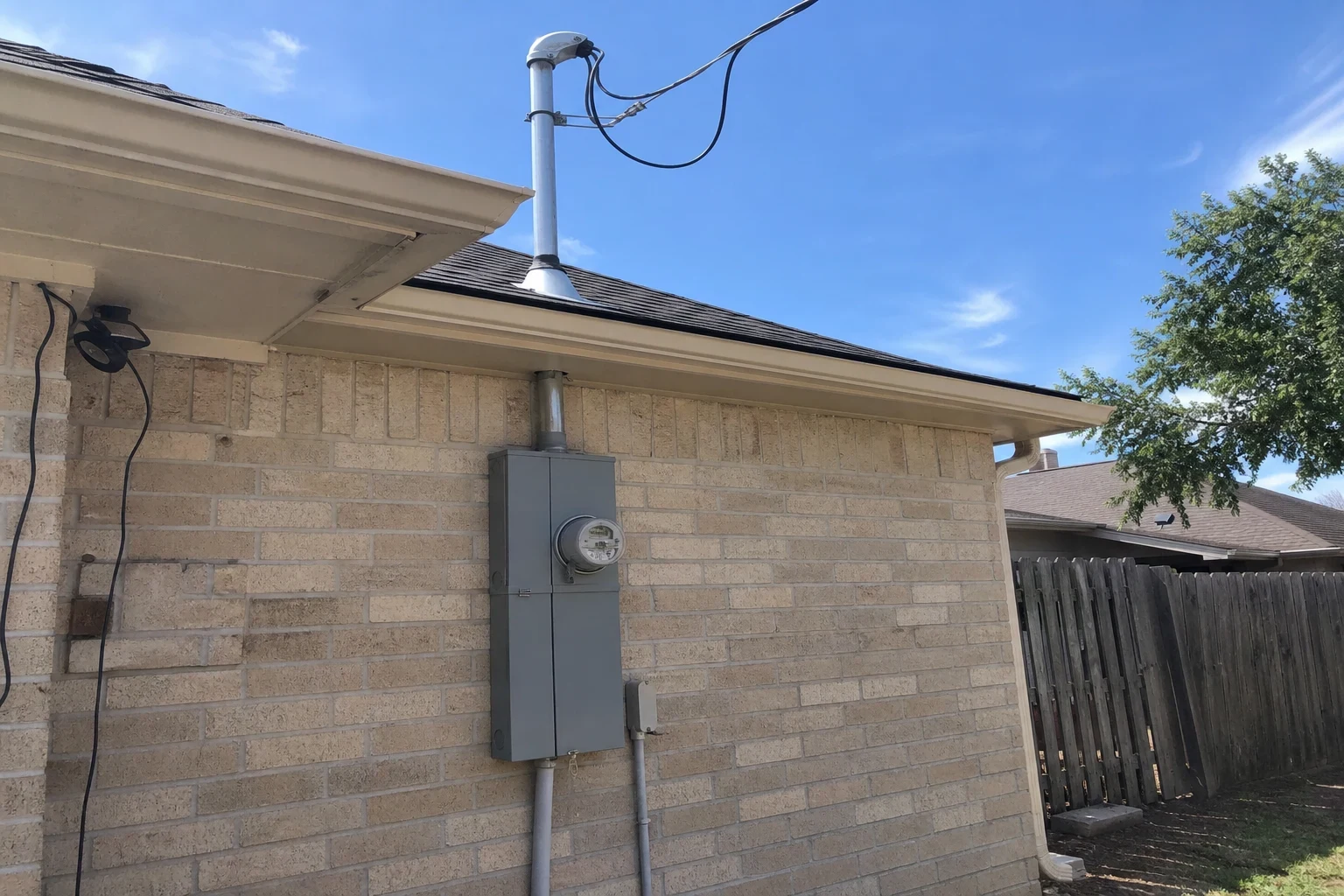
- Many jobs need a permit and inspection as required by the local jurisdiction. A panel swap or meter-side change often means the power company has to cut and restore your service, and their schedule can set the work date.
Get Your Electrical Work Done Right the First Time
Tell us what you need, and we will set up a time to look at your panel and wiring in person. You will know what we found and what it takes to fix it before any work starts.